Think Like a Buyer: The Curatorial Mindset That Transforms How You Shop for Fashion

Photo: Louis Vuitton, CC BY-SA 4.0, via Wikimedia Commons
There is a fundamental difference between shopping and curating. Shopping, in its most common form, is reactive—driven by sales alerts, trending silhouettes, and the quiet urgency of a limited-time offer. Curating, by contrast, is deliberate. It is the practice of evaluating each potential acquisition against a defined standard, then accepting only what genuinely earns its place. It is precisely this discipline that separates a wardrobe of lasting value from a closet full of regret.
At Aadhya Boutique, every piece we carry has passed through exactly this kind of scrutiny. And while our buyers spend years developing their instincts, the underlying principles are neither esoteric nor inaccessible. With the right framework, any consumer can begin to approach fashion the way a boutique professional does—with patience, precision, and purpose.
Begin with a Defined Aesthetic Standard
Before a boutique buyer walks a trade show floor or reviews a designer's lookbook, they arrive with a clear point of view. They know the aesthetic their clientele expects, the gaps in their current offering, and the visual language that makes their curation coherent. This pre-shopping clarity is perhaps the most powerful tool available to any consumer.
Begin by articulating your own aesthetic standard in writing. What three adjectives describe the wardrobe you are working toward? Which pieces in your current closet receive the most use, and what do they share? Identifying these patterns before you shop creates a filter that makes every subsequent decision more precise. When a garment does not align with your defined aesthetic, the answer is simply no—regardless of how compelling the price point may be.
Evaluate Fabric Before Everything Else
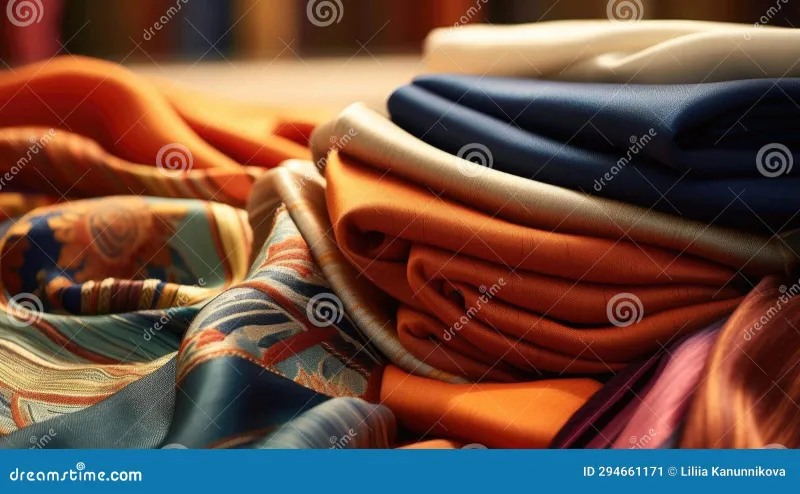
Professional buyers handle fabric before they look at anything else. Weight, hand-feel, and drape communicate more about a garment's quality than any tag or marketing language ever could. A blouse cut from a substantial silk charmeuse behaves entirely differently—and lasts considerably longer—than one constructed from a lightweight synthetic that mimics its appearance.
When shopping in person, hold the fabric between your fingers and assess its density. Does it recover when you scrunch it lightly in your palm, or does it hold the crease? Natural fibers—wool, silk, cashmere, linen, and quality cotton—generally offer superior breathability, longevity, and aging characteristics compared to synthetic alternatives. When shopping online, consult the fabric composition listed in the product details. A garment described as "satin" that is composed primarily of polyester is not the same investment as one woven from silk, even if the photographs appear similar.
Examine Construction as Evidence of Intention
A garment's construction reveals the degree of care invested in its creation. Boutique buyers turn pieces inside out as a matter of routine, reading the interior of a garment the way a physician reads a chart. Finished seams, consistent stitching density, pattern matching at seams and pockets, and reinforced stress points—at armholes, button attachments, and belt loops—are all indicators of considered manufacturing.
For online purchases, zoom into available imagery and read reviews with an eye toward construction comments. When a piece arrives, take a moment to examine the interior before removing the tags. If the seams are unfinished, the stitching is uneven, or the lining feels insubstantial, treat that information seriously. A garment that shows construction shortcuts at the outset will only amplify those flaws with wear and washing.
Assess Versatility with a Three-Way Test
Boutique buyers rarely invest in single-use pieces. Every item on their floor must justify its place by serving multiple styling functions across a season. Before committing to any purchase, apply what professional buyers informally call the three-way test: Can this piece be worn in at least three distinct configurations within the context of your existing wardrobe?
A well-cut blazer, for instance, might pair with tailored trousers for a client meeting, layer over a silk slip dress for an evening event, and complement dark denim for a weekend lunch. A highly specific novelty print, by contrast, may offer only one or two convincing outfits before it becomes visually exhausting. The more versatile a piece, the greater its cost-per-wear value—and the more confidently it earns its place in a considered wardrobe.
Investigate Brand Heritage and Production Transparency
Knowledge of a brand's history and production practices is not merely a luxury—it is a form of consumer due diligence. Boutique buyers research their vendors thoroughly, understanding where garments are produced, by whom, and under what conditions. This knowledge informs both the quality assessment and the ethical dimension of every purchasing decision.
For US consumers, this research has never been more accessible. Most reputable brands now publish some degree of supply chain information, whether through sustainability reports, factory partnerships disclosed on their websites, or third-party certifications. A brand with a coherent heritage story, consistent aesthetic evolution over time, and transparent production practices is far more likely to deliver lasting value than one that offers little beyond seasonal trend alignment.
Slow Down the Decision Cycle
Perhaps the most countercultural advice a boutique buyer can offer is this: take more time. The fast fashion model is engineered to compress your decision cycle—to make urgency feel natural and hesitation feel costly. The curatorial model inverts this entirely. Slowing down is not indecision; it is discernment.
When a piece genuinely interests you, allow it to sit in a wishlist or browser tab for 48 to 72 hours before purchasing. Return to it with fresh eyes. Consider whether your interest has held, or whether it was primarily a response to environmental cues—a sale, a recommendation, a moment of retail enthusiasm. The pieces that continue to feel compelling after deliberate reflection are the ones most likely to integrate meaningfully into your wardrobe and remain there.
At Aadhya Boutique, we curate so that you do not have to start from scratch—but the final act of selection is always yours. Developing the mindset of a boutique buyer does not require a professional background. It requires only the willingness to pause, evaluate, and hold your wardrobe to a higher standard than the market typically demands.