Dressing for Generations: How to Identify the Luxury Pieces Worth Passing Down
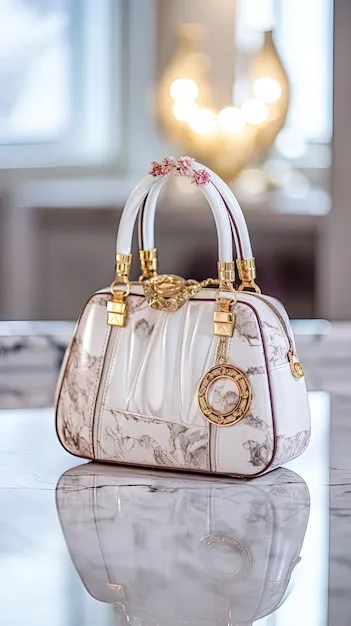
Photo: luxury handbag heirloom jewelry elegant woman generational fashion classic, via img.freepik.com
There is a particular kind of acquisition that operates on a different timescale than the seasonal wardrobe refresh. It is the purchase made not only for the life you are living now, but for the lives that will follow yours—a coat that your daughter might one day button against a winter morning, a bag that your granddaughter will carry with the comfortable pride of inherited things. This is the realm of the fashion heirloom, and it is a category that demands a fundamentally different approach to evaluation.
The question is not simply whether a luxury piece is well-made. Many well-made things do not survive the passage of decades with their relevance intact. The heirloom question is more complex: Does this object possess the qualities—material, aesthetic, and emotional—that allow it to mean something to people who were not present when it was chosen?
What Separates Investment Pieces from True Heirlooms
The language of investment has become common in luxury fashion conversations, and not without reason. Certain categories of high-end goods—structured handbags from heritage houses, fine watches, classic outerwear—have demonstrated measurable appreciation in resale value over time. The investment framing is useful, but it is also incomplete.
A financial investment can be liquidated. An heirloom cannot, or rather, should not—because its value is not denominated in dollars alone. The distinction matters because it changes how you evaluate a potential purchase.
An investment piece is assessed primarily on market trajectory: brand equity, rarity, condition maintenance. An heirloom is assessed on something harder to quantify—the capacity to carry meaning forward. This includes durability and quality, certainly, but it also includes design timelessness, the story attached to the object, and the likelihood that future generations will find it beautiful, useful, or both.
These criteria occasionally overlap. Often, they diverge in instructive ways.
The Craftsmanship Markers That Suggest Longevity
Physical durability is the necessary foundation. A piece that does not survive structurally cannot survive generationally. When evaluating a luxury purchase with heirloom intent, the following construction details warrant close attention:
Material integrity. Full-grain leather, not corrected-grain or bonded alternatives, develops a patina over decades that actually improves the object's character. Tightly woven natural fibers—wool, cashmere, silk—resist the degradation that synthetic blends often cannot. In fine jewelry, the gauge of metal and the setting style determine whether a piece can withstand daily wear across multiple lifetimes.
Construction method. Hand-stitched seams, goodyear-welted soles on footwear, hand-rolled edges on scarves—these techniques are not merely signals of luxury. They are structural decisions that extend a garment's functional lifespan by decades. A machine-stitched seam under stress will fail; a hand-finished one, properly cared for, rarely does.
Repairability. This is an undervalued consideration. The finest luxury houses maintain ateliers specifically for the restoration and repair of their archival pieces. Before committing to a significant purchase, it is worth understanding whether the brand offers repair services and whether replacement components—hardware, linings, straps—are available. A piece that cannot be repaired when damaged is, by definition, finite.
Design Principles That Outlive Their Moment
Durability of material is necessary but insufficient. A perfectly preserved piece in a style that was aggressively of its moment will not speak to the next generation with the same authority it held originally. The design qualities that tend to transcend their era share certain characteristics.
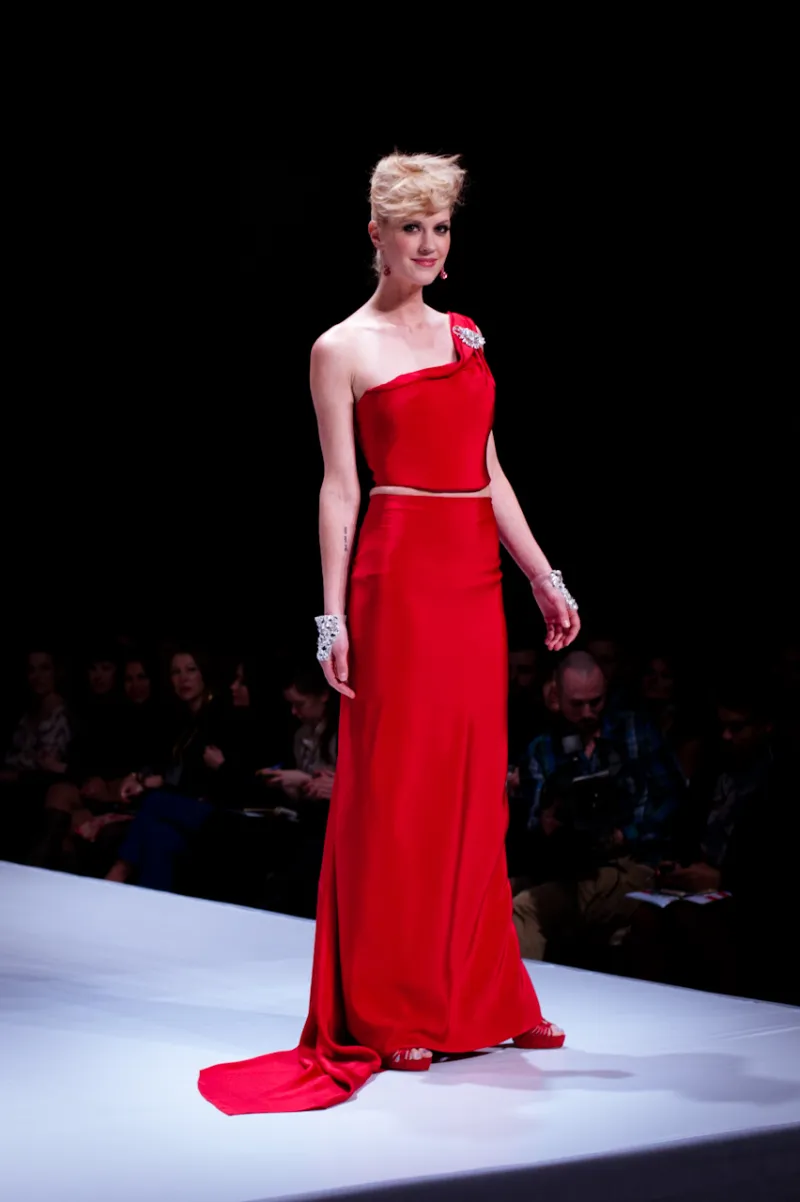
Proportion over novelty. Silhouettes that flatter the human form across body types and fashion cycles—a well-balanced trench coat, a structured blazer with clean lapels, a simply cut evening dress—have demonstrated staying power across generations. Proportion is a more reliable guide than any particular trend in cut or embellishment.
Restraint in ornamentation. The pieces most commonly cited as modern heirlooms—the Hermès Kelly, the Chanel 2.55, the Burberry Heritage trench—share a quality of visual discipline. Their design details are present but not aggressive. They do not announce themselves through novelty; they earn attention through refinement.
Neutral color architecture. This is not to say that heirlooms must be beige. Rather, the colors most likely to remain wearable across decades are those that exist in relationship to the wearer rather than in conversation with a specific cultural moment. Deep navy, ivory, camel, black, forest green—these are not safe choices; they are enduring ones.
The Emotional Calculus
Beyond the physical and aesthetic, there is a dimension to heirloom fashion that resists systematic analysis: the story.
American families with strong traditions of passing down luxury objects—whether old-money New England households or first-generation families who invested significantly in quality as an expression of arrival and aspiration—consistently describe the emotional weight of inherited pieces as inseparable from their value. A grandmother's fur stole, a mother's pearl earrings worn on her wedding day, a father's dress watch: these objects carry their histories in a way that no newly purchased item can replicate.
This suggests that the heirloom potential of a contemporary luxury purchase is partially created, not merely discovered. The way you acquire a piece, the occasions on which you wear it, the care you take with it, and the stories you attach to it over time all contribute to the meaning it will hold for the person who receives it next. A bag purchased impulsively and stored carelessly will not carry the same emotional freight as one chosen with deliberation and worn at meaningful moments across a lifetime.
Modern Pieces Already Being Passed Down
Several categories of contemporary luxury goods have already begun appearing in estate sales, inheritance conversations, and deliberate family transfers—a useful signal of genuine heirloom potential.
Classic structured handbags from heritage houses remain the most documented example, with certain styles appreciating significantly in value while maintaining their aesthetic relevance across decades. Fine timepieces from Swiss manufacturers with long production histories occupy a similar position, combining financial appreciation with the emotional resonance of functional objects worn daily.
Beyond these well-known categories, certain fine jewelry designers working in classic idioms—solitaire settings, simple gold bangles, pearl strands with quality clasps—are seeing their pieces appear in second-generation wardrobes with notable frequency. Tailored outerwear from houses with genuine craft heritage, particularly wool coats and leather jackets constructed with traditional methods, is another category where the generational transfer is already occurring.
A Framework for the Heirloom Purchase
For the shopper approaching a significant luxury acquisition with generational intent, a condensed evaluative framework:
First, assess physical longevity—material quality, construction method, and repairability. Second, evaluate design timelessness against the criteria of proportion, restraint, and color. Third, consider brand stewardship—does the house have a history of maintaining archival standards and offering restoration services? Fourth, and perhaps most importantly, examine your own relationship to the piece. Will you wear it at meaningful moments? Will you care for it with attention? Will you be able to tell its story?
The luxury purchase that becomes a family legacy is rarely the most expensive item in a wardrobe. It is the one chosen with the clearest understanding of what it is meant to carry—and the patience to let that meaning accumulate, season by season, life by life.