The Luxury Shopper's Calendar: Mastering the Rhythms of Fashion Timing to Maximize Every Investment
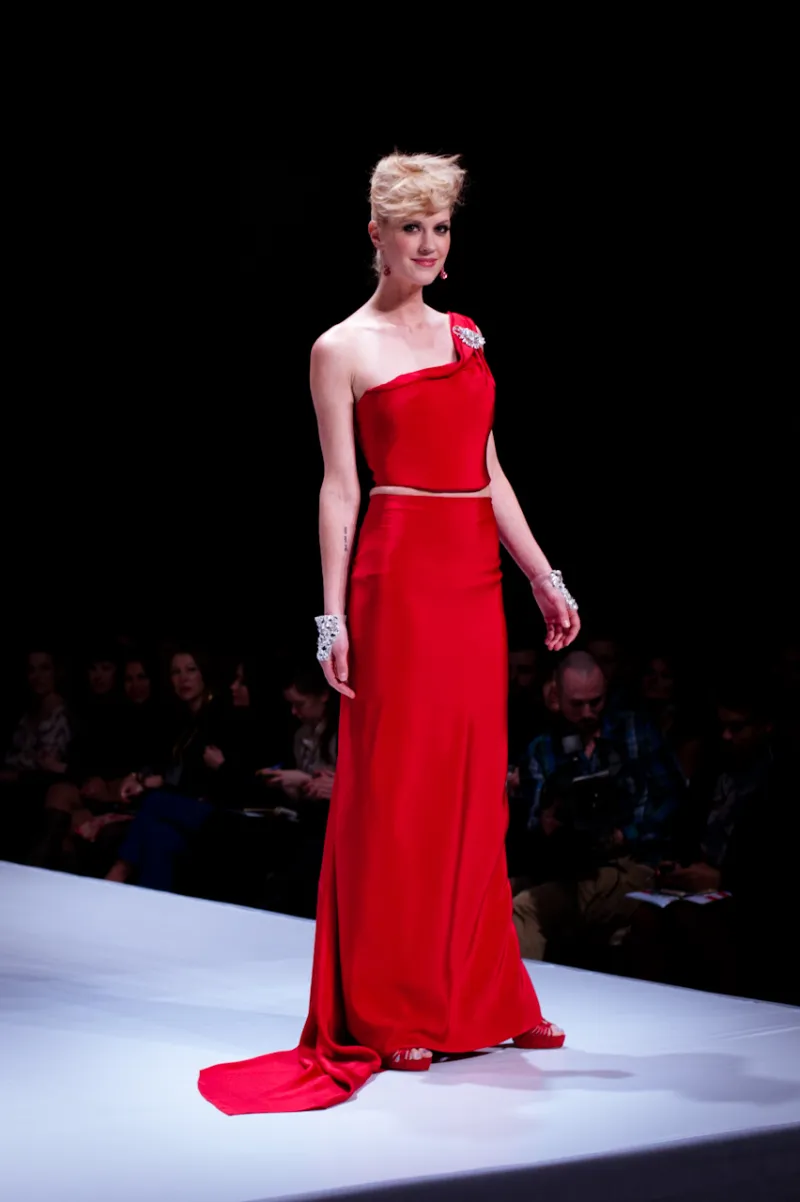
Photo: Jason Hargrove, CC BY 2.0, via Wikimedia Commons
Luxury fashion is, at its core, a market. It operates according to cycles, pressures, and rhythms that are as predictable as they are consequential. For the uninformed shopper, these cycles are invisible—a source of surprise markdowns, frustrating sold-out notifications, and the creeping sense that they are always slightly behind. For the discerning buyer, however, the fashion calendar is a strategic instrument. Understanding it transforms shopping from a reactive impulse into a deliberate, rewarding practice.
The question of when to buy is, in many cases, just as important as what to buy. Timing affects price, availability, selection, and even the longevity of a piece within your wardrobe. What follows is a clear-eyed breakdown of how the luxury fashion calendar functions—and how to use that knowledge to your advantage.
Understanding the Fashion Calendar's Architecture
The traditional fashion calendar divides the year into two primary selling seasons: Spring/Summer (SS) and Fall/Winter (FW). Each season follows a relatively consistent arc. Designers present collections to press and buyers in February (for the following Fall) and September (for the following Spring). Retail delivery of those collections then begins months later—typically in July for Fall pieces and January for Spring.
What this means in practical terms is that the clothes appearing on the sales floor in July are the result of creative decisions made the previous February. By the time most consumers encounter a new collection, the fashion industry has already moved on to the next one. This temporal gap is not a flaw in the system. For the informed buyer, it is an opportunity.
Luxury houses have increasingly complicated this framework with pre-season collections—Resort (delivered in November or December) and Pre-Fall (delivered in June or July). These collections, sometimes called "cruise" lines, were originally designed to serve clients traveling to warmer climates in winter. Today, they represent some of the most wearable, commercially accessible offerings from major houses and often include the pieces that sell through most consistently.
The Strategic Case for Pre-Season Shopping
Pre-season collections deserve far more attention than they typically receive from casual shoppers. Because they arrive slightly outside the main retail rush, they often enjoy better in-store availability and less competitive online traffic. More importantly, they tend to feature pieces that are designed for real-world wearability rather than runway spectacle.
For the shopper building a long-term wardrobe rather than chasing seasonal novelty, pre-season releases offer a quiet abundance of refined basics, elevated essentials, and transitional pieces that function across multiple contexts. A beautifully cut Resort blazer, for instance, may serve you from a January business trip to an April wedding to a September dinner with equal grace.
The practical advice here is straightforward: do not wait for the main-season delivery to begin your shopping. Monitor pre-season arrivals with the same attention you would give a full collection drop. The best pieces—particularly those in standard sizes and popular colorways—disappear quickly and quietly.
When to Buy at Full Price (And Why It Often Pays)
There is a persistent belief among shoppers that patience is always rewarded with a lower price. In mass-market retail, this is often true. In luxury fashion, the calculus is more nuanced.
For core investment pieces—a structured leather handbag, a cashmere overcoat in a neutral colorway, a beautifully tailored trouser suit—purchasing at full price at the beginning of a season is frequently the correct decision. These items sell through quickly, are rarely restocked, and when they do appear at markdown, they are often available only in the least popular sizes or colors. Waiting for a sale on a piece you genuinely need and know will serve you for years is a false economy.
Full-price purchasing also ensures access to the widest selection and, at the finest boutiques, the most attentive service experience. There is value in that relationship—knowledgeable staff, access to waitlists, early notification of new arrivals—that compounds over time for the client who engages with a boutique consistently rather than opportunistically.
The End-of-Season Sale: A Discipline, Not a Free-for-All
End-of-season sales at luxury retailers typically begin in late June or early July for Spring/Summer merchandise, and in late December or January for Fall/Winter pieces. The markdowns can be significant—sometimes reaching fifty to sixty percent on select items—and the temptation to shop broadly is understandable.
The disciplined approach, however, is to enter a sale with a specific mandate. Before the markdown period begins, identify the gaps in your existing wardrobe. What fabrication are you missing? What occasion category is underserved? What color or silhouette would meaningfully expand your existing pieces' versatility?
With those questions answered in advance, the sale becomes a precision exercise rather than an emotional one. You are not browsing for inspiration—you are executing a plan. This distinction matters enormously. The shopper who arrives at a sale without a framework tends to acquire beautiful pieces that have no clear home in their wardrobe. The strategic buyer leaves with exactly what they needed, at a meaningful discount.
Reading Trend Cycles Without Being Governed by Them
Luxury fashion trends move more slowly than fast-fashion cycles, but they move nonetheless. Understanding where a trend sits in its lifecycle is essential for making purchases that will remain relevant across multiple seasons.
As a general principle, the moment a silhouette, color, or fabrication appears on the mass market is the moment it has peaked in the luxury context. The discerning shopper pays attention to what is appearing in editorial coverage and on the runway—not to chase it immediately, but to understand the direction of the market. Pieces that align with an emerging direction, purchased before that direction becomes ubiquitous, tend to feel current for a longer period than those acquired at the height of a trend.
Conversely, classic pieces—a well-proportioned trench coat, a slim leather belt, a silk charmeuse blouse in ivory or black—exist outside the trend cycle almost entirely. These are the anchors of a luxury wardrobe, and their timing is governed not by the fashion calendar but by personal need and availability.
Building a Personal Shopping Calendar
The most practical takeaway from understanding the fashion calendar is this: create your own. Map out the year in terms of your known wardrobe needs, your social and professional calendar, and the retail windows that align with each. Identify the two or three investment pieces you intend to acquire in the coming twelve months. Research their typical availability windows. Note the pre-season arrivals that might serve your needs. Flag the end-of-season sales where secondary acquisitions might be made strategically.
This is not an exhausting exercise—it is a clarifying one. It replaces the anxiety of reactive shopping with the quiet confidence of a plan. At Aadhya Boutique, we believe that the most elegant wardrobe decisions are also the most intentional ones. Time, like taste, is a luxury. Spend both wisely.