Dressed in Dividends: How to Manage Your Wardrobe Like a High-Performance Portfolio

There is a particular kind of clarity that arrives when you stop thinking of your closet as a collection and start thinking of it as a portfolio. Suddenly, every purchase carries weight. Every hanger represents a decision — one that either strengthens your position or dilutes it. For the woman who approaches her finances with precision and her career with intention, it follows naturally that her wardrobe deserves the same disciplined framework.
At Aadhya Boutique, we believe that curated luxury is not accidental. It is the result of applied strategy, refined taste, and a long-term perspective that resists the pull of the impulsive and the fleeting. What follows is a guide to thinking about fashion the way seasoned investors think about their portfolios — with patience, purpose, and an eye toward enduring return.
Establish Your Core Holdings First
Every sound investment portfolio begins with a stable foundation: low-volatility assets that provide consistent value regardless of market conditions. Your wardrobe operates by the same principle. Before pursuing statement acquisitions, a discerning shopper must first secure her core holdings — the foundational pieces that perform reliably across seasons, occasions, and years.
Think of a precisely tailored ivory blouse, a structured wool coat in a neutral tone, or a pair of dark, well-cut trousers. These are not exciting purchases in the conventional sense. They do not generate the immediate emotional return of a bold printed dress or a season-defining accessory. But they are the bedrock upon which everything else is built. Without them, your wardrobe lacks coherence — and no amount of statement spending will compensate for a weak foundation.
Investors call this asset allocation. In wardrobe terms, it means dedicating a meaningful portion of your fashion budget to pieces with proven, enduring utility before pursuing higher-risk, higher-reward acquisitions.
Understand Depreciation Versus Appreciation
Not all fashion assets age equally. Some depreciate rapidly — trend-driven pieces that are deeply of their moment, novelty items purchased in a burst of enthusiasm, or fast-fashion volumes that lose structural integrity within a season. These are the equivalent of speculative stocks: occasionally thrilling, frequently regrettable, and rarely worth the capital expended.
Other pieces appreciate — or at minimum, hold their value with remarkable resilience. A classic Hermès silk scarf. A well-maintained cashmere coat from a heritage house. A pair of fine leather boots resoled and cared for over a decade. These items do not simply endure; in certain cases, they become more desirable as they age, acquiring patina, provenance, and cultural weight that newer pieces cannot replicate.
The discerning buyer learns to distinguish between these two categories before committing capital. She asks not merely do I love this now? but will this remain relevant, wearable, and structurally sound in five years? The answer to that second question is far more instructive.
Diversify Without Overextending
A portfolio concentrated too heavily in one sector becomes fragile. The same is true of a wardrobe. A closet built exclusively around boardroom attire leaves you underprepared for the full spectrum of your life. Conversely, a collection weighted entirely toward occasion wear provides little practical return on a daily basis.
Strategic diversification in fashion means deliberately building across categories: professional dress, refined casual, formal occasion, transitional layering, and considered accessories. Each category serves a distinct function, and each deserves a proportional share of your attention and investment relative to how frequently it is called upon in your actual life.
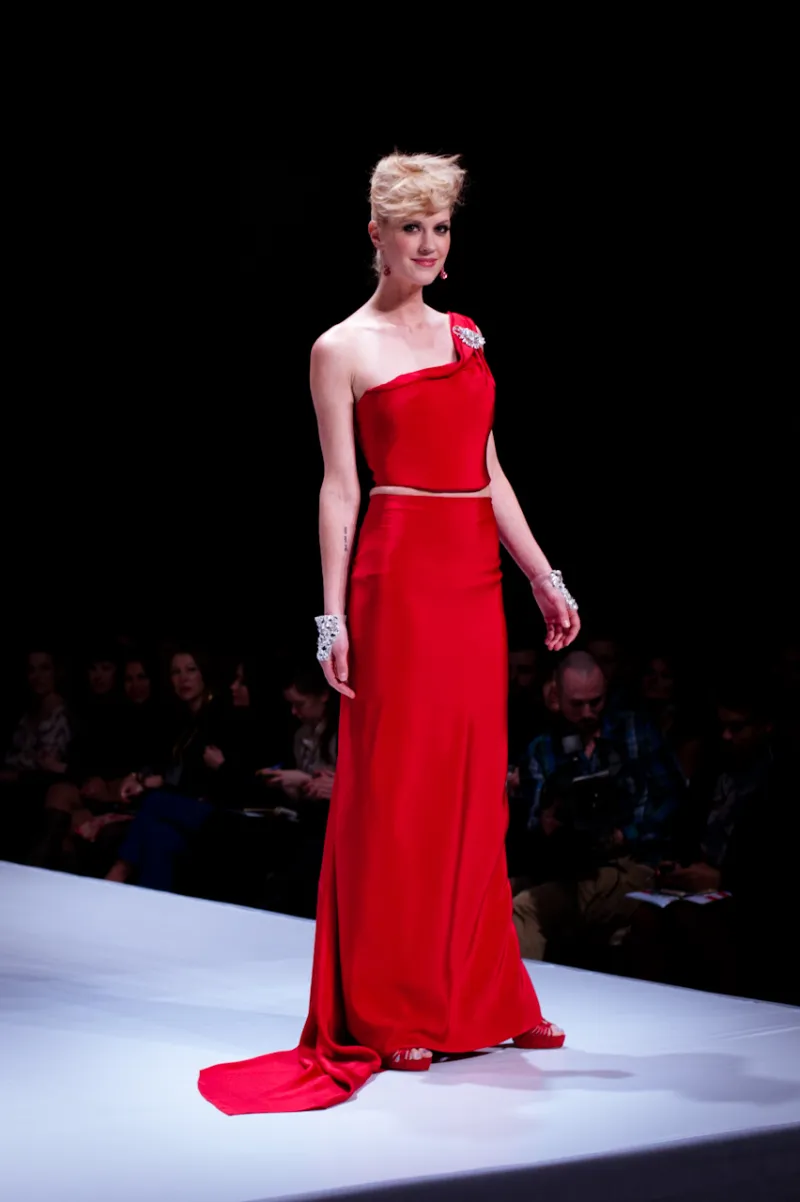
This is also where honest self-assessment becomes essential. Many women over-invest in aspirational categories — the gala gown for events attended twice a year — while under-investing in the everyday pieces that carry the greatest burden. Rebalancing your wardrobe, like rebalancing a portfolio, is not an admission of failure. It is the mark of a sophisticated operator.
Recognize Which Categories Offer the Strongest Long-Term Value
Not every fashion category offers equal return on investment. Experience — both collective and personal — has identified several areas where luxury spending consistently outperforms.
Outerwear is perhaps the highest-yield category in any wardrobe. A coat is worn publicly, frequently, and over many years. The quality of its construction is immediately apparent, and its condition reflects directly on the wearer's overall standard. Investing significantly in one or two exceptional coats — rather than accumulating a rotation of mediocre ones — is a strategy with near-universal returns.
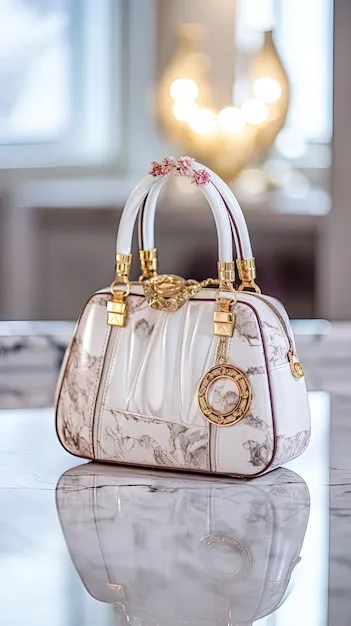
Leather goods similarly appreciate in both quality and cultural cachet. A well-constructed handbag from a respected house is not merely a functional object; it is a signal, a heirloom in the making, and in some cases, a literal financial asset with documented resale value on secondary markets.
Tailoring and suiting reward investment with a precision that off-the-rack alternatives cannot match. The woman who owns two impeccably fitted suits will consistently appear more polished than one who owns ten that merely approximate her shape.
Footwear occupies a nuanced position. Quality leather shoes and boots, properly maintained, outlast and outperform their synthetic counterparts by a significant margin. Here, the calculus is straightforward: fewer pairs, better construction, longer return.
Know When to Liquidate
No portfolio is static, and neither is a well-managed wardrobe. The willingness to release pieces that no longer serve — whether through resale, consignment, or thoughtful donation — is not a sign of inconsistency. It is the mark of an active, attentive curator.
The luxury resale market in the United States has matured considerably, with platforms dedicated to authenticated pre-owned fashion offering genuine financial recoupment on pieces that retain desirability. A cashmere coat, a heritage accessory, or a rarely worn formal gown may hold surprising resale value — capital that can be redeployed into pieces more aligned with your current life and aesthetic.
Liquidating thoughtfully also creates the mental and physical space required for deliberate acquisition. A closet in constant overflow is a closet that cannot be properly assessed, managed, or enjoyed.
The Compounding Effect of Consistency
Perhaps the most powerful principle borrowed from investment philosophy is the concept of compounding. In finance, consistent, disciplined contributions yield returns that accelerate over time. In wardrobing, the equivalent is the steady accumulation of quality — each considered piece reinforcing and elevating the ones beside it.
A woman who has spent a decade building her closet with intention does not simply have more clothes than one who has not. She has a wardrobe with internal logic, visual coherence, and extraordinary daily utility. Her mornings are efficient. Her choices are confident. Her style communicates authority without effort.
This is the dividend that strategic wardrobing pays — not immediately, but reliably, and in full.
At Aadhya Boutique, every piece we carry has been selected with this compounding potential in mind. We do not curate for the moment. We curate for the long position — because the women we dress are not building wardrobes for this season. They are building legacies, one considered acquisition at a time.